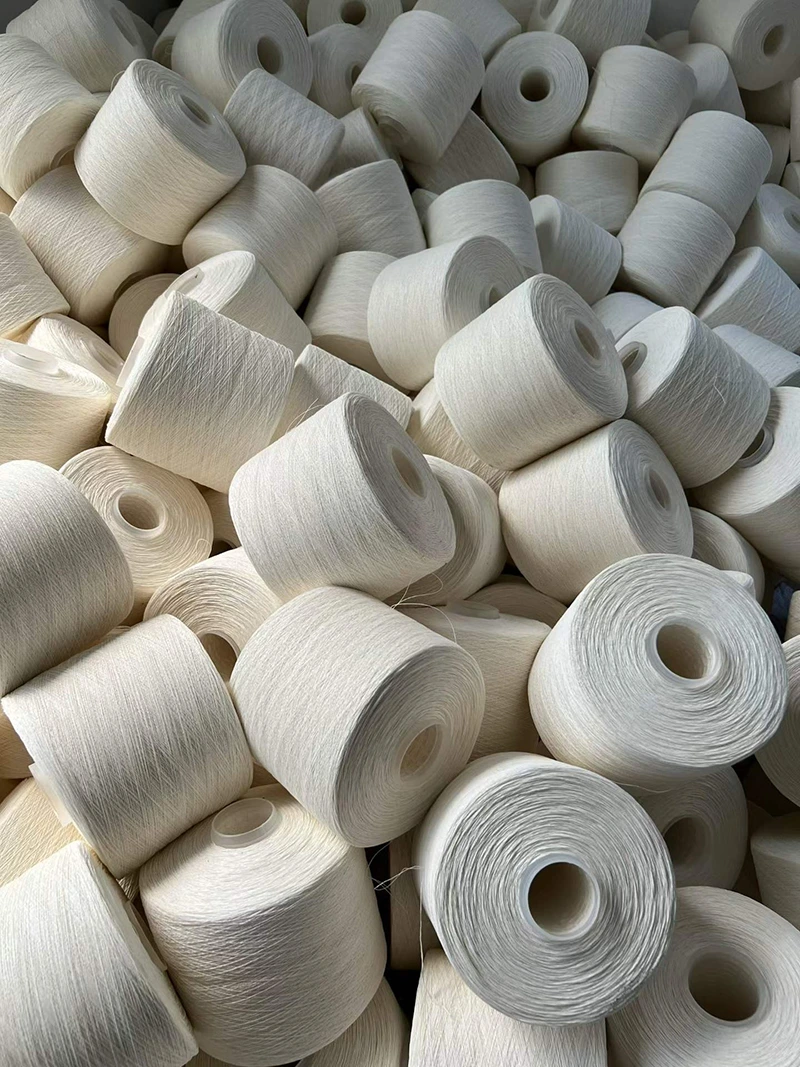
In today’s textile industry, which is constantly evolving and innovating, paper yarn is gradually gaining attention due to its unique advantages.
As a factory with over a decade of professional experience in producing paper yarn, we are here to answer some common questions you may have when selecting paper yarn.
Advantages of Paper Yarn
1. Natural Antibacterial Properties
It resists the formation of prolonged damp environments, allowing sweat and moisture to dissipate quickly. This reduces conditions conducive to bacterial growth, thereby achieving odor- and bacteria-inhibiting effects to some extent and providing wearers with a fresh wearing experience. It can be said that paper yarn’s characteristics of being “naturally refreshing and resistant to musty odors” set it apart from other yarns.
2. Eco-Friendly, Biodegradable, and Sustainable—Aligned with Market Trends
Paper yarn is made from plant-based pulp, a raw material derived from renewable resources. Additionally, it can be paired with FSC certification and traceable timber sources, providing brands with ample opportunities to build an eco-friendly and sustainable narrative. Brands can tell a “from forest to wardrobe” story, which aligns perfectly with the international market’s trend toward eco-friendly yarns. In today’s world of growing environmental awareness, this characteristic undoubtedly makes paper yarn more competitive in the market.
3. Unique Visual and Tactile Qualities, Easily Recognizable
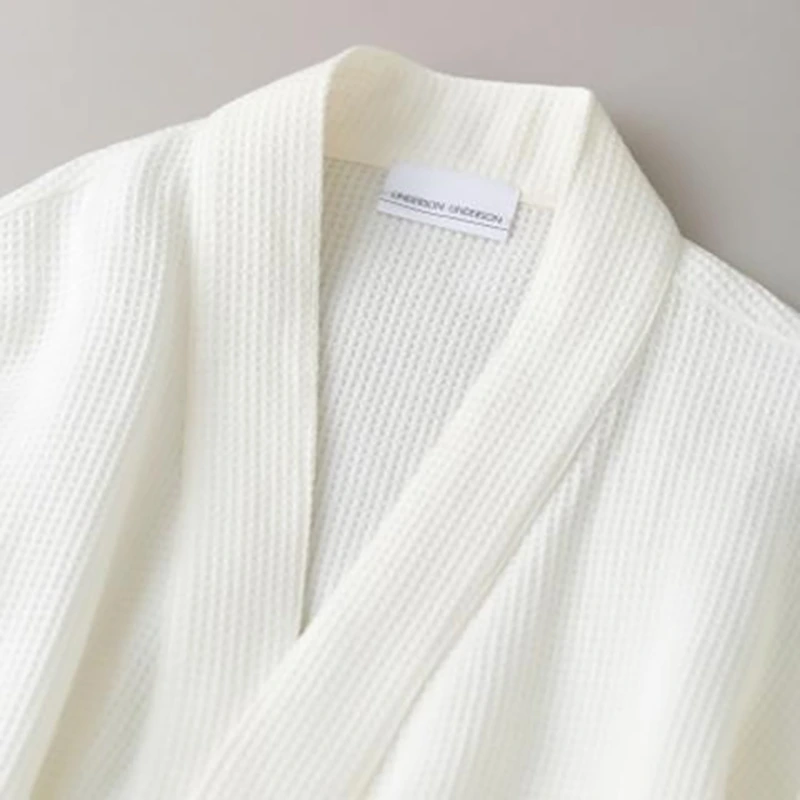
The surface of paper yarn fabric has a dry, crisp feel similar to paper or linen, yet without the coarseness of true linen. The finished garments exhibit a “low-sheen, micro-textured, natural grain” aesthetic, clearly distinguishing them from conventional cotton or viscose knits. These unique visual and tactile qualities make paper yarn easier for buyers to identify as a special material, offering designers greater creative freedom.
4. Significant Advantages in Knitwear Applications
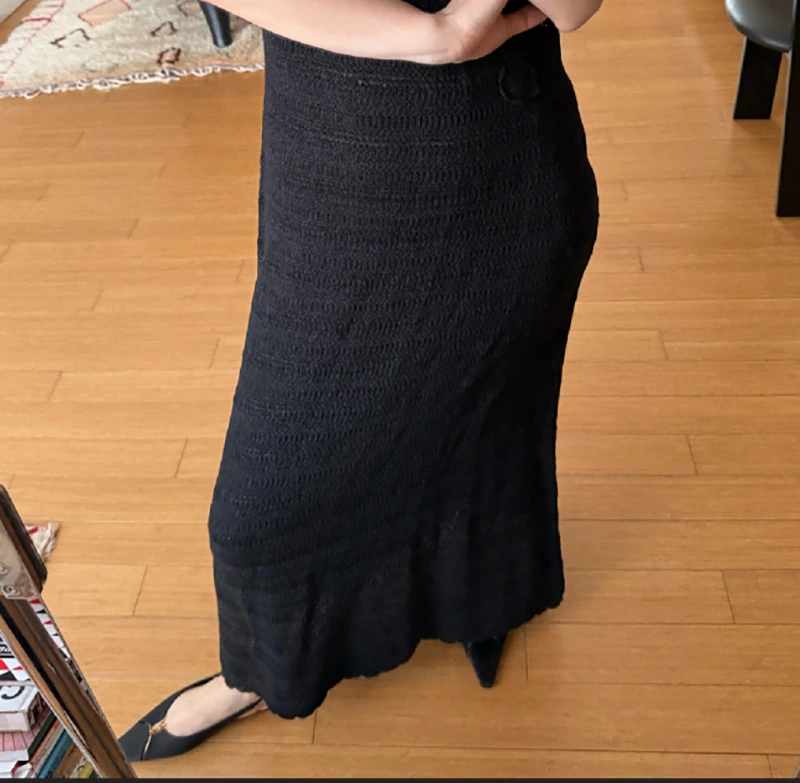
Paper yarn excels in the knitwear sector. It addresses the common desire to “wear knits even in summer”—while standard knits tend to feel stuffy when woven too tightly, paper yarn maintains the knit appearance while offering breathability and moisture-wicking properties. This makes it ideal for short-sleeve sweaters, cover-ups, cardigans, and openwork tops. Additionally, paper yarn possesses a certain degree of structure. When paired with knitting techniques such as chunky stitches, fishnet, openwork, and cable patterns, it helps three-dimensional patterns stand out clearly, making it particularly suitable for women’s wear, curated collections, and lines emphasizing a “Japanese style.”
For which seasons is Washi yarn suitable?
Washi yarn is ideal for summer wear, addressing the issue of heat buildup often associated with summer knits. It is particularly well-suited for creating short-sleeve knit tops, cover-ups, and similar garments.
In what ways does Washi yarn demonstrate its eco-friendly qualities?
Washi yarn is made from plant-based pulp, a renewable resource. It also allows for storytelling about the journey “from forest to wardrobe,” aligning with international trends toward eco-friendly yarn selection.
How does washi yarn differ from conventional knitted fabrics?
Fabrics made from washi yarn have a dry, crisp texture similar to paper or linen. The finished garments feature a “low-sheen, slightly textured, natural grain” aesthetic, creating a distinct contrast with standard cotton or viscose knits.
 BERRY
BERRYCopyright © 2026 by Qingdao Berry Cast Technology Co., Ltd All Rights Reserved
Privacy Policy