
Luxury packaging materials do not merely wrap the product — they shape brand tone, positioning, grade and consumer perception. Material choice directly defines first impression, premium value and brand class.
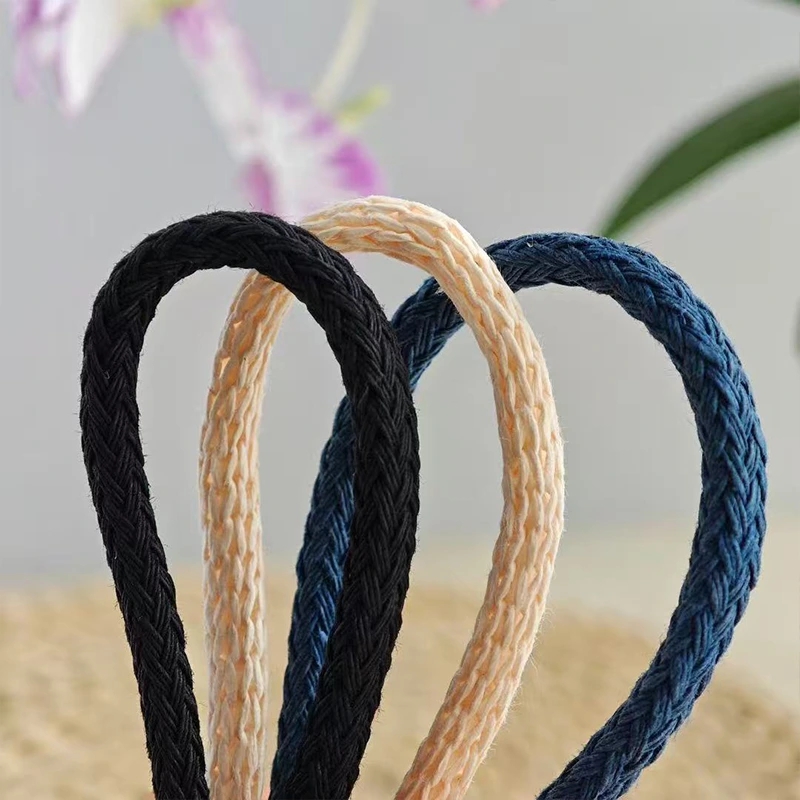
1.Texture determines brand grade
High-grade textured materials such as art paper, paper rope, paper ribbon, soft-touch film, flocking, leather, solid wood and satin deliver a solid, delicate feel.
Ordinary coated paper or plain cardboard looks cheap and weak, and cannot support luxury pricing and premium positioning.
In luxury goods, touch equals grade.
2.Custom materials build brand recognition
Custom paper colors, exclusive textures and special surface grains create dual brand identity through sight and touch.
Classic brand hues and fixed material styles become long-term brand visual assets and deepen customer recognition.
Natural materials convey elegance and understated luxury
Cotton, linen, satin, wool felt, log and FSC natural paper express a sense of nature, elegance and classic luxury, ideal for jewelry, leather goods and high-end cosmetics.
Excessive glossy plastic looks tacky and lowers brand taste.
Materials support craftsmanship and professionalism
Thick premium paper fits hot stamping, embossing, debossing and UV finishing, showing exquisite workmanship and professionalism.
Thin low-grade paper cannot support fine finishing and appears rough in quality.
Eco-friendly packing materials enhance brand image & ESG value
Top luxury brands widely adopt FSC-certified paper, recycled specialty paper and plastic-free packaging.
3.It reflects social responsibility, matches high-end customer values, and upgrades brand taste and public reputation.
4.Material weight implies product value
Luxury packaging uses high-grammage, rigid paper with solid weight.
Physical thickness gives a psychological hint of high value; flimsy packaging makes customers perceive the product as low-value.
 BERRY
BERRYCopyright © 2026 by Qingdao Berry Cast Technology Co., Ltd All Rights Reserved
Privacy Policy